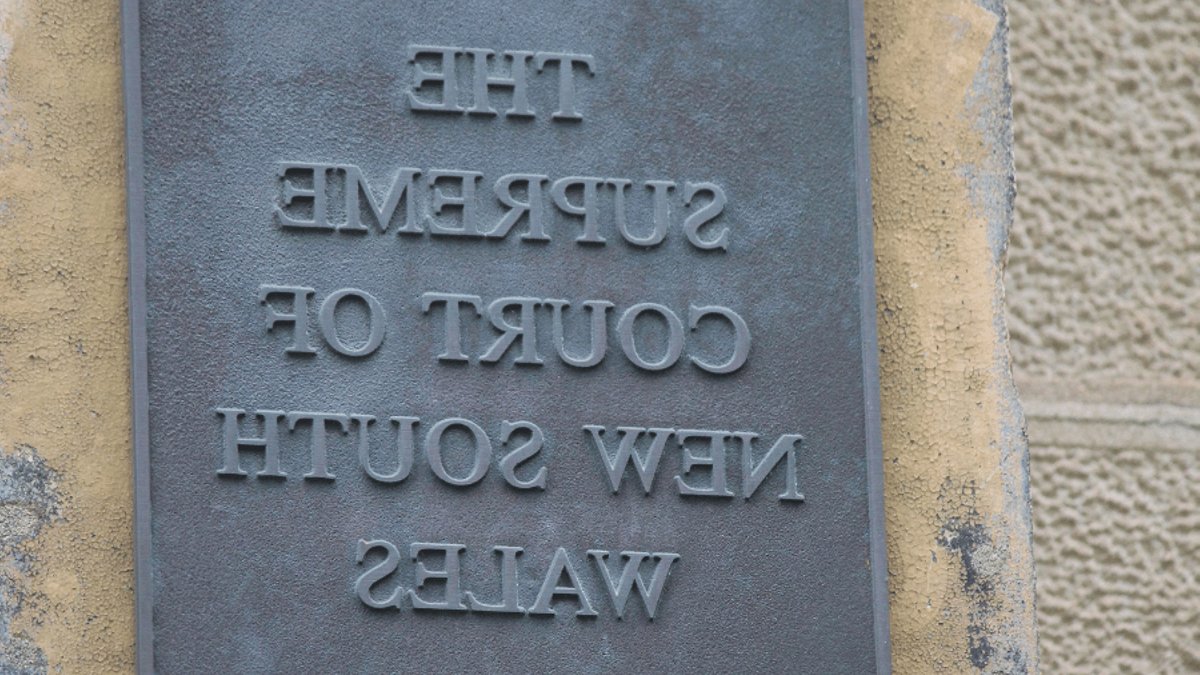
The New South Wales Supreme Court’s Court of Appeal has remitted a case to the District Court to assess the reasonableness of a solicitor’s costs in a personal injury proceeding. The appeal court found that the primary judge of the District Court had made a jurisdictional error by simply accepting the costs assessor’s assessment without considering whether the costs were fair and reasonable.
The case, Malouf v Mavrakis t/as Mavrakis & Associates Lawyers (No 2) [2026] NSWCA 176, involved a dispute over the costs of a solicitor who represented the applicant in a personal injury claim. The solicitor had terminated his retainer in May 2021 due to non-payment of his disbursements and applied for an assessment of his costs under the Legal Profession Uniform Law Application Act 2014 (NSW).
The assessor granted a certificate of determination of costs amounting to $111,274.54, which the client applied for a review of. The review panel issued a substituted determination valued at $31,158.63, finding that the solicitor could not recover his professional fees due to non-compliance with disclosure obligations and failure to contract out of the provisions limiting costs in personal injury cases.
The solicitor appealed the review panel’s decision to the District Court, which stayed the appeal until the resolution of the client’s personal injury proceeding. The primary judge declined to assess the claim for costs and reinstated the assessor’s determination, stating that schedule 1 to the LPULAA would not apply until the determination of the amount recovered.
The appeal court set aside the District Court’s orders and remitted the matter to the primary judge, ordering no costs. They found that the primary judge had erred in simply accepting the costs assessor’s assessment without considering whether the costs were fair and reasonable, as required by s 89 of the LPULAA.
Related: FCFCOA practice direction outlines AI obligations for court users
It is essential for the District Court to rehear the review application and consider for itself whether the costs were fair and reasonable, pursuant to the matters laid out in s 200 of the LPUL. The appeal court also found that the primary judge’s failure to assess the reasonableness of the costs meant that he had not considered the review panel’s reasons for substituting a determination of the solicitor’s costs lower than that fixed by the assessor.
The appeal court’s decision highlights the importance of ensuring that costs assessments are fair and reasonable, and that courts should not simply accept the determinations of costs assessors without proper consideration. The case has been remitted to the District Court for further consideration, with the appeal court ordering no costs.
As the case has been remitted to the District Court, the court will likely rehear the review application and consider the reasonableness of the solicitor’s costs in light of the appeal court’s decision. The outcome of this process will be closely watched, as it may have significant implications for the legal tech and service providers in the industry.
Costs assessments must be fair.


